





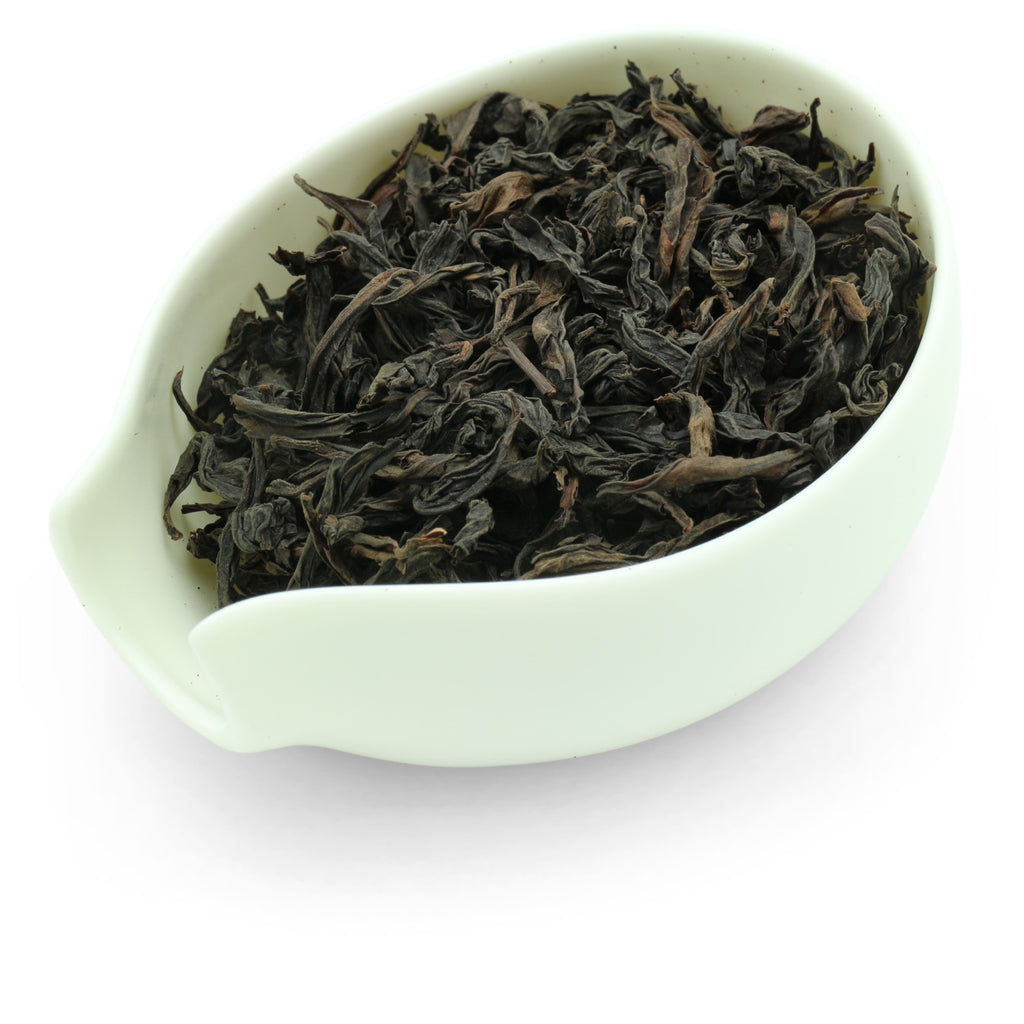
Matouyan Rougui
Weich und samtig, ist dies eine milde Interpretation der Sorte Rougui, bei der der charakteristische Geschmack von chinesischer Zimtrinde die zweite Geige gegenüber der holzigen Note und den subtileren Aromen spielt. Durch mäßige Röstung entsteht ein umamihaltiger und recht ausgewogener Aufguss, in dem sich die leichte Säure zu einem Hauch von gelber Pflaume und Zitrone entwickelt und von dessen Oberfläche eine überraschende Jasminnote weht. Matouyan, das für seinen Yancha im Allgemeinen berühmt ist, rühmt sich einer langen Geschichte der Rougui-Produktion (manchmal auch als Ma Rou bezeichnet), und in diesem Fall scheint sie durchaus verdient zu sein, denn sie macht aus einem oft schroffen Tee einen raffinierten und zarten Aufguss.
- ORIGIN: Matouyan, Wuyishan, Nanping, Fujian, China
- MEANING: Cinamon from Matouyan (ma tou yan rou gui)
- CULTIVAR: Rougui
- HARVEST TIME: 3 May 2022
- TASTE: Oak, lemon, jasmine
- Quantity: 6g / 500ml
- Water temperature: 90°C
- Infusion time: 5 min
- Quantity: 3g / 100ml
- Water temperature: 90°C
- 4 infusions: 45, 60, 60, 90 sec
For best results in gongfu cha, brew in the traditional gaiwan or in a Yixing teapot. Too high water temperature would burn the leaves, resulting in bitter taste.
Additional Information
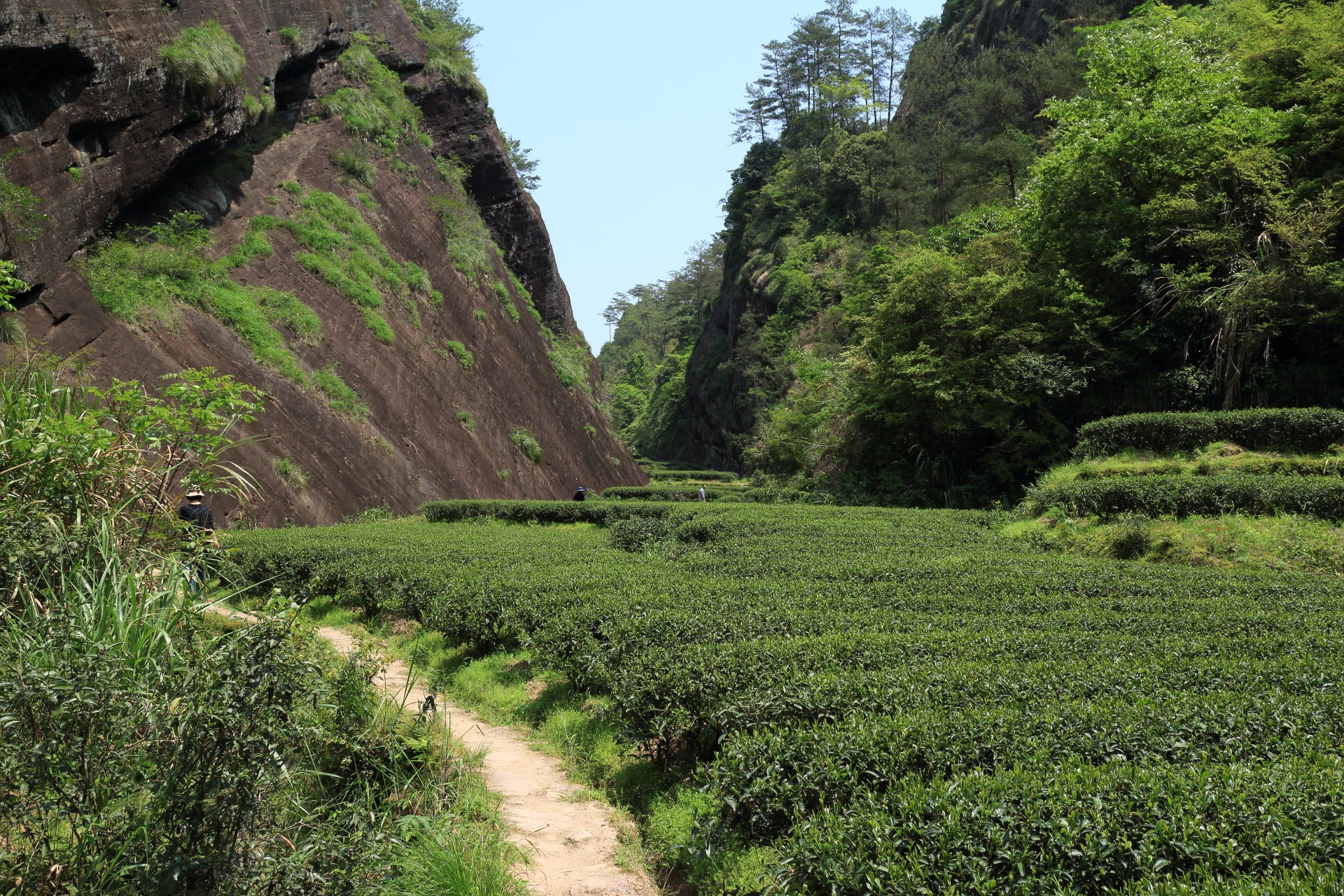
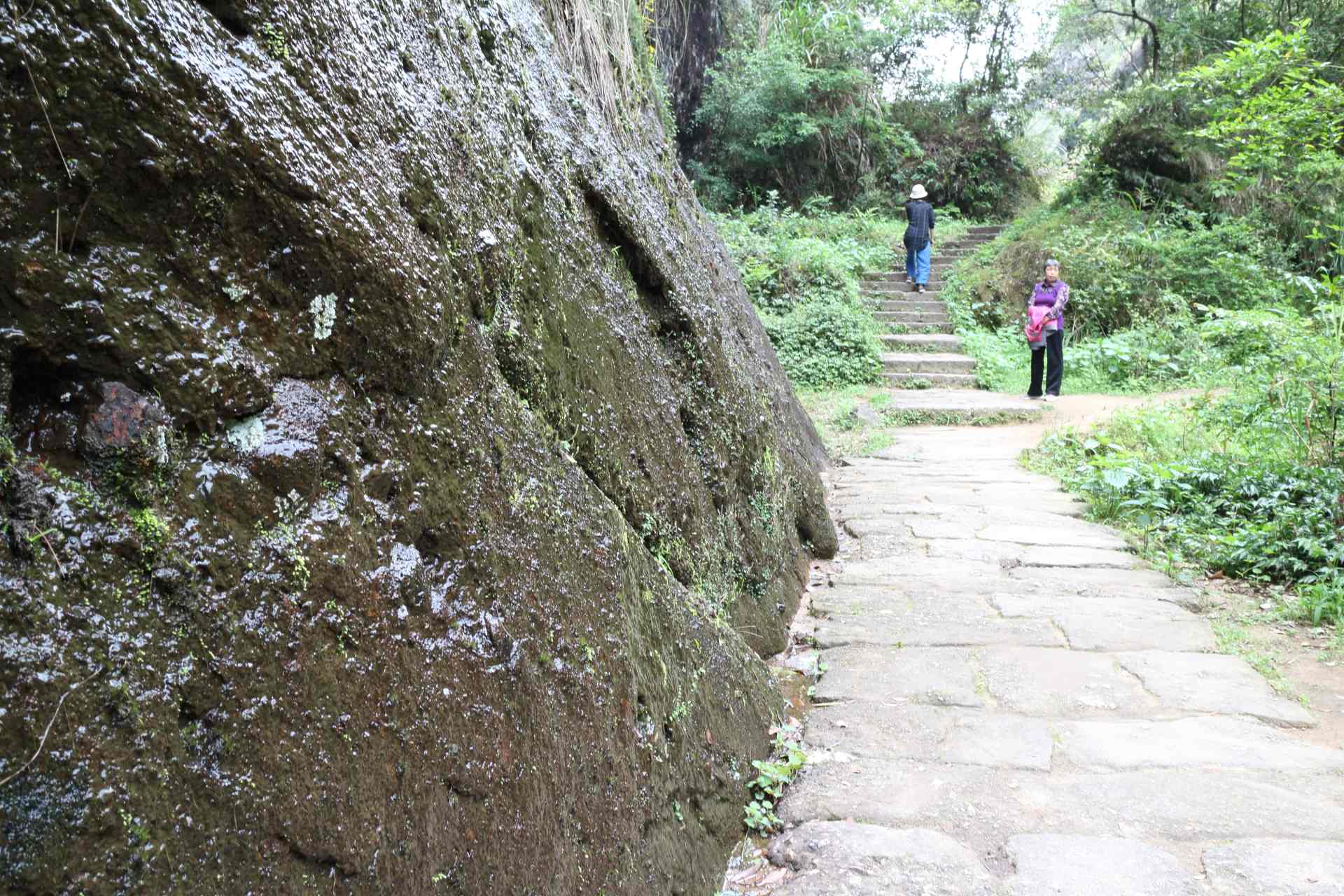
Authentic Wuyi Yan Cha is produced in the Wuyi Mount region, a UNESCO natural heritage site. The dramatic gorges of the Nine Bend River are surrounded by a largely intact subtropical forest and smooth cliffs of black-brownish rocks. The tea plants grow in narrow valleys, next to the cliffs, in a mineral-rich soil.



Today Wuyi Yan Cha is one of the most valued teas in China. Because it has become a status symbol, many wealthy Chinese are willing to pay a fortune for it without even knowing how a proper Wuyi Yan Cha should taste. The result has been prices inflating to unjustified level and quality often sacrificed for quantity.
Unique to the Wuyi Yan Cha is a mineral savor coming from the soil and the surrounding cliffs. Being the oolong with the highest fire finish, fresh Yan Cha may as a result be strong and pungent. Sharpness and too-prominent astringency subside upon ageing. Premium high-fire Yan Cha tastes better after a few years of storage. Use a Yixing teapot to soften the tea, should it be too astringent for your palate.
The overall tasting profile is rich, complex, and deep. Depending on cultivar and environment, the mineral-roasted flavor is refined by floral, fruity, nutty or woody accents.